
What to Look for in a Commercial Cleaning Contract in Rhode Island
When a business starts searching for a commercial cleaning provider in Rhode Island, the main concern is rarely the mop, the vacuum, or the list of tasks. The real question behind every walkthrough and every quote is much simpler: Can this company take care of my facility consistently, without me having to chase them every week?
That expectation is exactly what separates one-time services from long-term partnerships, and it’s also where many cleaning companies fail. A commercial cleaning contract is not just a piece of paper; it’s an agreement that defines how your building will look, feel, and operate every single day. Understanding what belongs in a contract—and what a professional provider should deliver—can help any facility manager avoid costly mistakes and choose a partner who can support their operations with stability, structure, and accountability.
Understanding Commercial Cleaning Contracts for Rhode Island Businesses
Commercial cleaning contracts play a central role in how Rhode Island businesses maintain safe, functional, and presentable facilities. Whether it’s an office, a medical practice, a school, or a production environment, the stability of a recurring cleaning program has a direct impact on daily operations. A well-structured contract ensures consistency, supports compliance requirements, and provides a predictable framework for managing the building’s needs over time. Understanding these elements helps businesses choose a provider capable of delivering reliable, long-term service rather than short-term fixes.
1. Clear Scope of Work That Matches Your Facility’s Needs
The foundation of a strong commercial cleaning contract is a detailed scope of work. It should outline precisely what the cleaning team is responsible for, how often each task is performed, and which areas of the facility require special attention.
Ambiguity is one of the biggest sources of frustration for managers. If the contract says “clean restrooms” but doesn’t define whether that includes refilling paper products, sanitizing high-touch surfaces, or deep cleaning grout, expectations will never align. A serious provider presents a scope tailored to the reality of your building—its size, traffic patterns, compliance needs, and operational routines—so there are no surprises for either side once service begins.
2. A Consistent Cleaning Schedule With Reliable Staffing
Recurring cleaning only works when the team shows up on time, in the correct number, and with the right training. Your contract should make it clear how often crews will be on-site and what happens if staffing changes occur.
Many small or informal companies rely on rotating workers or inconsistent scheduling, which inevitably leads to missed tasks or rushed shifts. A professional provider uses structured scheduling, supervision, and internal oversight so every shift maintains the same standards, regardless of who is assigned. Consistency is the backbone of a long-term contract, and no building runs well without it.
3. Communication Protocols and a Real Office Support System
One of the most overlooked elements in a commercial cleaning contract is communication. Businesses need a provider who does more than send cleaners—they need a partner who communicates issues, responds promptly, and offers a reliable line of contact.
If a cleaner calls out, if supplies run low, or if a concern appears during an inspection, the facility manager should hear from a real office, not someone’s personal cell phone. Strong cleaning companies maintain internal teams who handle scheduling, dispatch, customer service, and follow-up. This structure is essential for recurring contracts because it ensures that problems are solved quickly and professionally, without disrupting your operations.
4. Training Standards and Onboarding Procedures
Cleaning a commercial facility is not the same as tidying a home. It requires training in chemicals, equipment, safety guidelines, sanitization protocols, and industry-specific requirements.
Before signing a contract, businesses should ask how cleaners are trained, how often training is updated, and how performance is evaluated. A provider that invests in onboarding and skill development is far more likely to deliver consistent results and maintain quality over time. Companies that skip training may appear cheaper upfront, but they introduce real risk: damaged floors, unsafe chemical handling, compliance issues, and inconsistent work.
5. Quality Control, Inspections, and Accountability
Every reliable commercial cleaning contract includes a system of oversight. Quality control isn’t about fixing problems once they appear; it’s about preventing them through routine inspections, supervisor walkthroughs, and structured follow-up.
Professional companies use checklists, digital reports, and performance tracking to make sure the service on week twelve matches what was promised on day one. When a provider has supervisors who regularly visit the facility and report back to the office, accountability becomes part of the operation rather than a reaction to complaints. This is the level of structure needed to maintain a clean, functional facility for the long term.
6. Flexibility for Special Requests and Seasonal Needs
Even with a recurring contract, facilities experience changes—events, seasonal deep cleans, floor care requirements, kitchen sanitation needs, or emergency situations. A dependable provider builds flexibility into the contract so the business can request additional services without needing to look elsewhere. The best partners become familiar with the rhythms of the building and proactively suggest when it’s time for floor refinishing, grout cleaning, high-dusting, or equipment sanitization. This creates a smoother operation and reduces the burden on busy managers.
7. Transparent Pricing and No Hidden Fees
A commercial cleaning contract should outline pricing clearly—hourly rates if applicable, fixed monthly fees, supply costs, and any add-ons. Transparency builds trust and prevents budget confusion. Providers who offer vague pricing or surprise charges often cut corners to make up for low bids. A stable, established cleaning company provides quotes that reflect the real needs of the facility and the labor required to maintain consistent quality.
8. The Provider’s Capacity to Support Long-Term Contracts
Perhaps the most important factor is also the one facilities overlook most often: Can this company actually support a long-term contract?
Many cleaning businesses excel at one-time services—deep cleans, kitchen cleaning, floor stripping—but lack the internal structure needed for weekly or daily recurring work. They may not have enough staff, vehicles, supervision, or office infrastructure to maintain multiple accounts reliably.
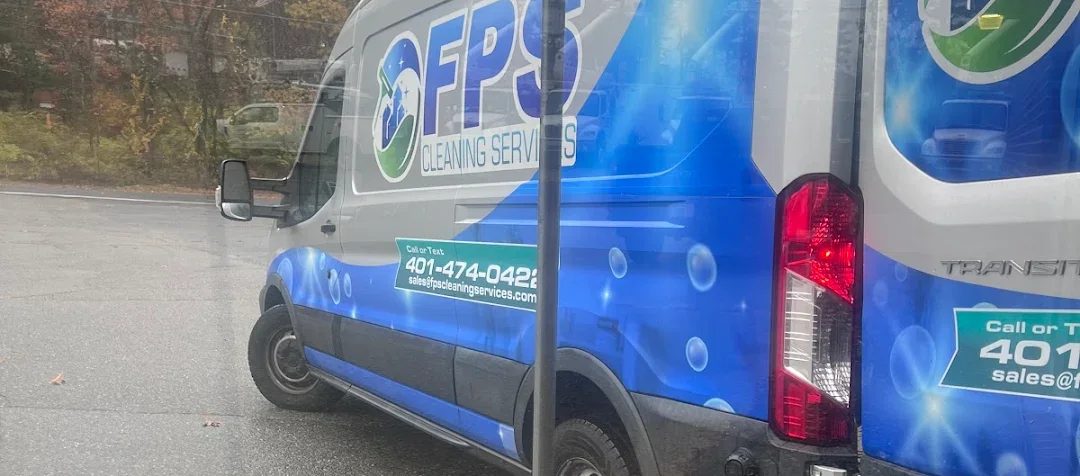
A company built for recurring service has visible signs of scale: an office, a training center, uniformed teams, a fleet of vehicles, dedicated supervisors, scheduling systems, and consistent communication. These are the markers of a provider who can commit to your facility not only today, but for years.
Why Choosing the Right Provider Matters
A commercial cleaning contract in Rhode Island is not simply a maintenance expense. It is an operational partnership that influences safety, morale, efficiency, and the overall impression your business leaves on employees and visitors.
Choosing a provider with real structure, trained staff, and strong internal systems can transform the way a facility runs. It reduces complaints, eliminates surprises, and keeps the building stable and reliable day after day. Businesses deserve a partner who takes that responsibility seriously.
Frequently Asked Questions
- 1What should a commercial cleaning contract in Rhode Island include? A clear scope of work, cleaning schedule, communication procedures, training standards, quality control measures, pricing details, and expectations for recurring service.
- 2How often should a commercial facility be cleaned? Most offices and commercial buildings are cleaned daily or several times per week, depending on traffic, compliance requirements, and the type of business.
- 3How do you choose the right commercial cleaning provider? Look for structure: trained staff, supervision, communication systems, scheduling consistency, and the operational capacity to support recurring contracts.
- 4Are recurring cleaning contracts worth it for businesses? Yes. Recurring contracts provide stable quality, predictable costs, reliable schedules, and fewer operational disruptions compared to one-time services.
- 5Is a commercial cleaning contract required for businesses in Rhode Island? Most Rhode Island businesses benefit from a recurring cleaning contract because it ensures consistency, predictable costs, compliance support, and a higher level of accountability compared to one-time cleaning services.
If your business is looking for a reliable long-term cleaning partner in Rhode Island, we provide structured recurring service supported by trained teams, supervisors, consistent communication, and the capacity to care for facilities across Rhode Island and the surrounding region.
Schedule a walkthrough with our commercial team to get started.
Need this handled at your facility?
FPS Cleaning Services keeps commercial spaces across RI, MA & CT spotless with our own trained employees. Get a free walkthrough and quote.
Keep reading
What Franchise Owners Should Look for in a Commercial Cleaning Company
How Much Does Commercial Cleaning Cost in Rhode Island? What Businesses Should Expect
The True Cost of One-Time Deep Cleaning vs. Ongoing Maintenance for Commercial Facilities in Rhode Island
Get your free quote
Tell us about your space — we respond within one business day.